
If you have been in crypto for even a short time, you have probably heard people say:
- Keep long term holdings in cold storage
- Use a hot wallet for daily transactions
But what does that actually mean?
In simple words, the difference comes down to internet connection and control of private keys. Once you understand that, everything becomes clear.
Let’s break it down properly and dive into the battle of hot wallet vs cold wallet.
Table of Contents
What Is a Crypto Wallet First?
Before comparing types, it is important to understand something fundamental.
A crypto wallet does not actually store your coins.
Your crypto always lives on the blockchain.
A wallet stores your private keys, which allow you to access and move your funds.
Think of it like this:
Blockchain = global public database
Wallet = key that unlocks your funds
If you lose the key, you lose access.
If someone steals the key, they control your crypto.
Now let’s talk about the different wallet types.

What Is a Hot Wallet?
A hot wallet is a crypto wallet that is connected to the internet.
Because it is online, it allows fast access to funds and easy interaction with exchanges, DeFi platforms, NFTs, and dApps.
Examples of Hot Wallets
• MetaMask
• Trust Wallet
• Phantom
• Mobile exchange wallets like Binance or Coinbase
Types of Hot Wallets
- Mobile wallets
- Browser extension wallets
- Desktop wallets
- Web based wallets
Advantages of Hot Wallets
- Fast transactions
- Easy to use
- Perfect for trading
- Great for DeFi and NFT activity
- Usually free
Risks of Hot Wallets
Because they are online, they are more exposed to:
- Phishing attacks
- Malware
- Browser exploits
- Smart contract risks
Hot wallets are best for active funds, not your entire life savings.
What Is a Cold Wallet?
A cold wallet is a crypto wallet that is not connected to the internet.
Its main goal is security.
Cold wallets are used for long term storage and protecting large amounts of crypto.
Most Popular Cold Wallets
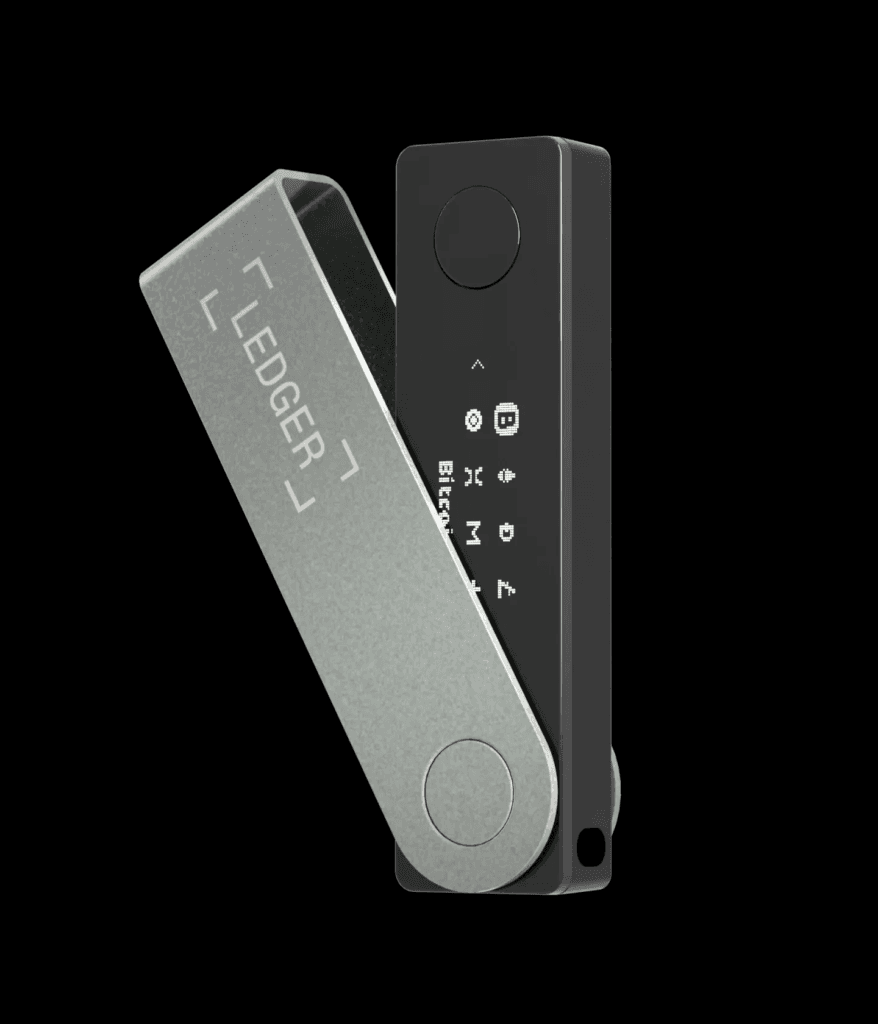
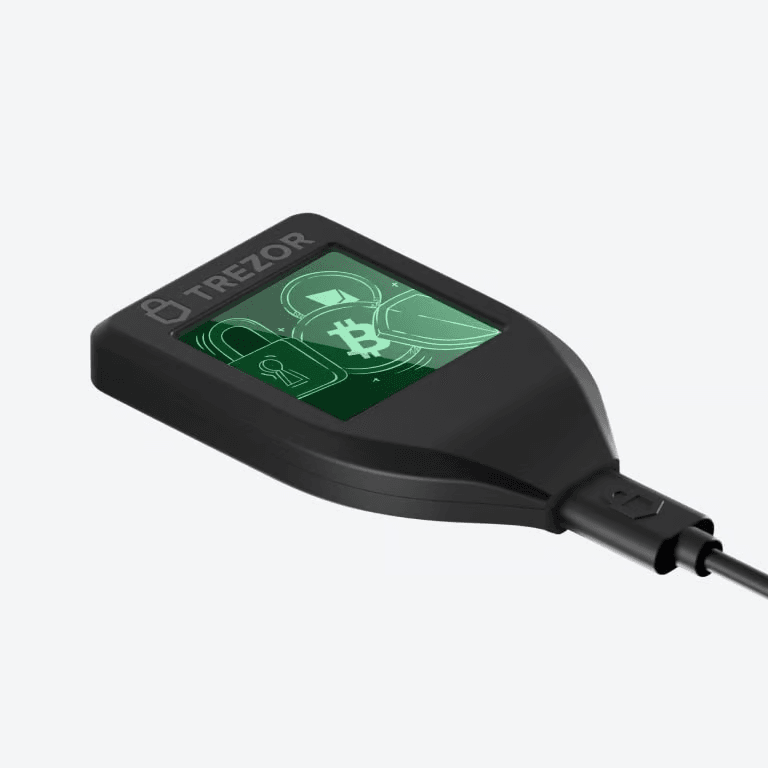
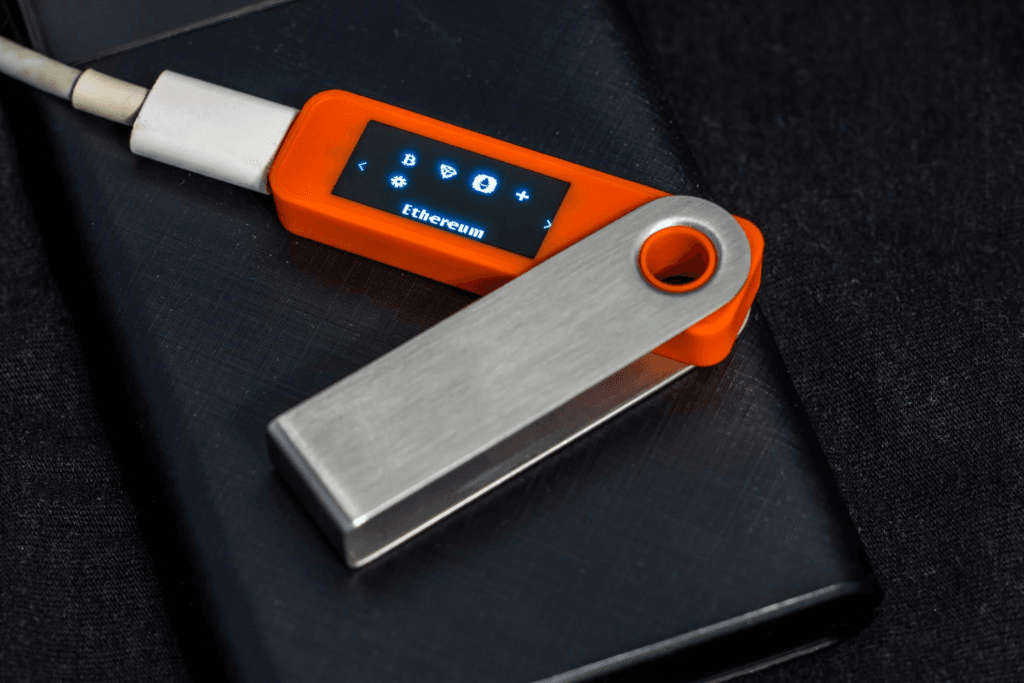
These are hardware devices that store your private keys offline.
When you want to send crypto, you connect the device and sign the transaction physically. Your private key never leaves the device.
Advantages of Cold Wallets
- Maximum security
- Protection from online hacks
- Best for long term holders
- Ideal for institutional storage
Risks of Cold Wallets
- You can lose the device
- You can lose the recovery phrase
- Physical damage risk
- Less convenient for daily use
Cold wallets are ideal for serious investors and long term Bitcoin or Ethereum holders.
Hot Wallet vs Cold Wallet Comparison
| Feature | Hot Wallet | Cold Wallet |
| Internet Connection | Yes | No |
| Speed | Instant | Slower |
| Security Level | Medium | Very High |
| Best For | Trading and DeFi | Long term storage |
| Risk Exposure | Online threats | Physical loss |
Other Types of Crypto Wallets
Hot and cold are the most common categories, but there are other important classifications.

1. Custodial Wallet
A custodial wallet means someone else controls your private keys.
Example: Leaving funds on Binance or Coinbase.
You log in with email and password. The exchange holds the keys.
Pros
- Easy recovery if you forget password
- Simple for beginners
Cons
- You do not truly own your crypto
- Exchange hacks can freeze funds
- Account can be restricted
This is convenient but not true self custody.
2. Non Custodial Wallet
A non custodial wallet means you control the private keys.
Examples include MetaMask, Trust Wallet, and hardware wallets like Ledger.
Pros
- Full control
- Better privacy
- No dependency on a third party
Cons
- If you lose the seed phrase, funds are gone forever
Non custodial is what most crypto veterans prefer.
3. Hardware Wallet
A hardware wallet is a type of cold wallet. It is a physical device that signs transactions offline.
Best for
- Large portfolios
- Long term holding
- Security focused users
It combines offline storage with usability.
4. Paper Wallet
A paper wallet is literally your private key or seed phrase printed on paper.
It is completely offline.
However, it is rarely recommended today because:
- Paper can burn or tear
- No easy transaction signing
- Easy to make mistakes
Hardware wallets replaced paper wallets in most serious use cases.
5. Multi Signature Wallet
A multi signature wallet requires multiple approvals to send funds.
For example, 2 out of 3 keys must approve a transaction.
This is common for:
- Crypto companies
- DAOs
- Family treasury management
It increases security and prevents single point failure.
Which Wallet Should You Use in [year]?
Here is a simple approach used by professional investors:
- Use a hardware cold wallet for long term holdings.
- Keep a small amount in a hot wallet for daily use.
- Avoid storing large funds on exchanges.
If you are new, start with a reputable hot wallet like Trust Wallet.
As your portfolio grows, invest in a hardware wallet like Ledger.
Final Thoughts
There is no single perfect wallet.
- Hot wallets give you speed and convenience.
- Cold wallets give you maximum security.
- Custodial wallets give you ease but less control.
- Non custodial wallets give you freedom but full responsibility.
The smartest strategy is not choosing one over the other.
It is understanding when to use each.
In crypto, security is not optional. It is the foundation.